
Women and Heart Attacks: Symptoms That Are Often Overlooked
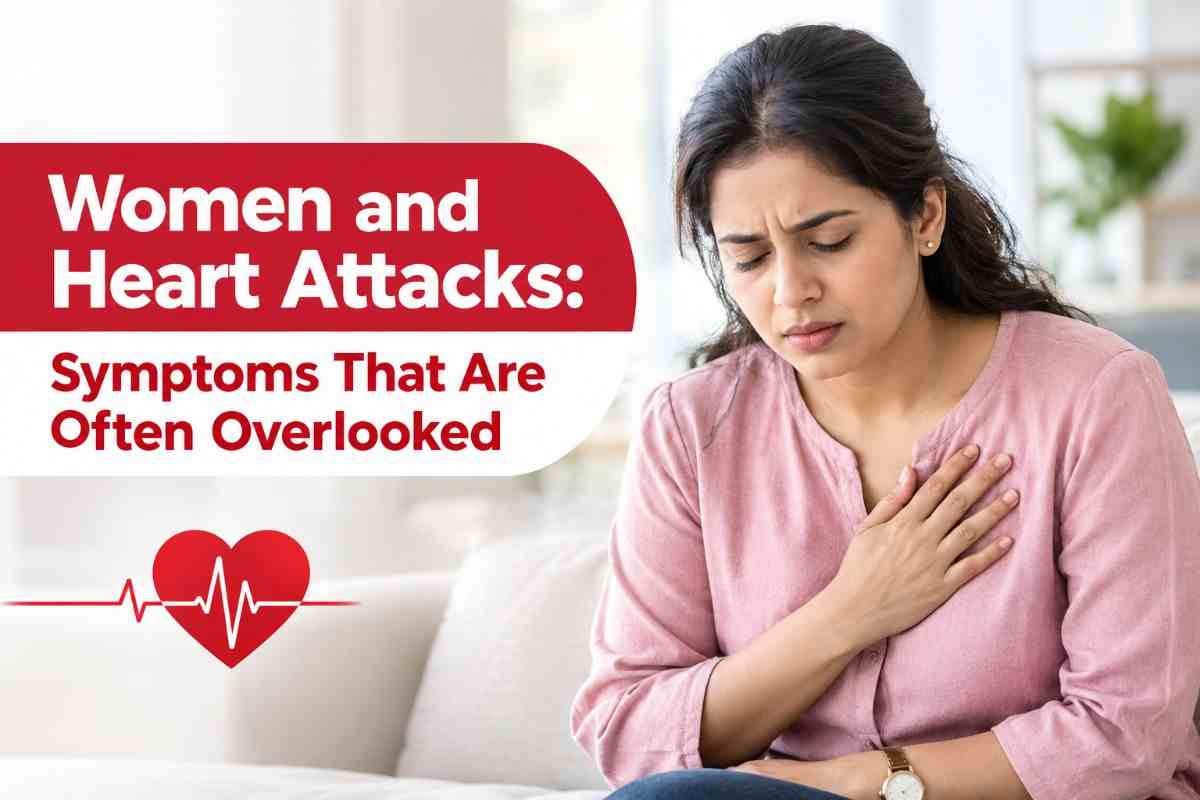
Why Women's Heart Attack Symptoms Are Often Overlooked
Heart disease has historically been studied, diagnosed, and treated based on patterns observed predominantly in men. This has had a real, measurable effect: women often present with atypical heart attack symptoms, which can be misread — by patients and clinicians alike — as anxiety, indigestion, or general fatigue.
A few reasons help explain this gap:
- Smaller blood vessel involvement – women are more likely to experience blockages or dysfunction in smaller coronary vessels, which can produce different symptom patterns than blockages in larger arteries
- Hormonal influences – estrogen has a protective cardiovascular effect before menopause, and its decline afterward can shift risk patterns
- Symptom reporting differences – women may describe discomfort in less dramatic terms, or focus on associated symptoms like fatigue rather than pain
- Diagnostic bias – some studies have shown women’s cardiac symptoms are, on average, taken more slowly to investigate compared to men’s
Understanding this isn’t about blame — it’s about awareness, so that both patients and healthcare providers can catch these signs earlier.
Causes of Heart Attacks in Women
At the core, heart attacks in women share the same basic mechanism as in men: reduced or blocked blood flow to part of the heart muscle. Common contributing causes include:
- Coronary artery disease (CAD) – plaque buildup narrowing the arteries
- Coronary microvascular disease – dysfunction in the heart’s smaller blood vessels, which is more frequently diagnosed in women
- Blood clots – forming on existing plaque and suddenly blocking blood flow
- Spontaneous coronary artery dissection (SCAD) – a tear in a coronary artery wall, which occurs more often in younger women, sometimes around pregnancy or postpartum
- Coronary artery spasm – temporary narrowing of an artery reducing blood flow
Because some of these mechanisms — like microvascular disease and SCAD — are less common in men, they can sometimes be overlooked if a standard angiogram doesn’t show classic large-vessel blockages.
Symptoms Women Should Know
While chest pain remains a significant and common symptom in women, it’s often accompanied by — or sometimes replaced by — other signs that are easy to dismiss:
- Unusual or extreme fatigue, sometimes for days before an event
- Shortness of breath, with or without chest discomfort
- Nausea, vomiting, or indigestion-like sensations
- Pain or discomfort in the jaw, neck, back, or between the shoulder blades
- Lightheadedness or dizziness
- Cold sweats
- A vague sense of pressure or fullness in the chest, rather than sharp pain
Featured Snippet Answer — How do heart attack symptoms differ in women? Women are more likely than men to experience symptoms such as fatigue, nausea, jaw or back pain, and breathlessness, sometimes without the intense chest pain commonly associated with heart attacks in men.
If any of these symptoms appear suddenly, are unusual for you, or occur alongside known cardiac risk factors, they deserve prompt medical attention rather than being attributed to stress or fatigue alone.
Risk Factors Specific to Women
Many cardiovascular risk factors apply equally to men and women, but some carry particular relevance for women’s heart health:
- Menopause – the decline in estrogen after menopause is associated with increased cardiovascular risk
- Pregnancy-related conditions – a history of preeclampsia, gestational diabetes, or pregnancy-induced hypertension is linked to higher future cardiac risk
- Autoimmune conditions – conditions like lupus or rheumatoid arthritis, which are more common in women, are associated with increased cardiovascular risk
- Diabetes – women with diabetes may face a proportionally higher increase in heart disease risk compared to men with diabetes
- Smoking – appears to carry a particularly significant cardiovascular risk for women
- Family history – a close relative with early heart disease increases individual risk
- Mental health factors – chronic stress and depression have been associated with elevated cardiovascular risk
If you have one or more of these factors, discussing a personalised cardiac risk assessment with your doctor is a reasonable and proactive step, regardless of whether you’re currently experiencing symptoms.
How Are Heart Attacks Diagnosed in Women?
Diagnosis follows a similar overall framework as in men, but often requires a broader evaluation, especially when standard tests don’t tell the full story:
- Electrocardiogram (ECG) – checks the heart’s electrical activity for signs of reduced blood flow or prior damage
- Blood tests (cardiac biomarkers) – detect proteins released during heart muscle injury
- Echocardiogram – evaluates heart muscle function and structure
- Stress testing – assesses how the heart performs under exertion
- Coronary angiography or CT angiography – visualises the coronary arteries directly
- Specialised testing for microvascular disease – may be considered when standard angiography doesn’t explain ongoing symptoms
Because conditions like microvascular disease and SCAD can be missed on standard angiograms, a cardiologist experienced in women’s cardiac health may recommend additional or specialised testing when initial results don’t align with the clinical picture.
Treatment Options for Women
Treatment approaches for heart attacks and coronary artery disease in women follow the same evidence-based principles used broadly in cardiology, tailored to the individual’s specific diagnosis and health profile.
Treatment Option | General Purpose | Typically Considered When |
Lifestyle modification | Foundation of all cardiac care | Always, alongside other treatments |
Medications | Manage blood pressure, cholesterol, clotting risk | Based on individual risk profile and diagnosis |
EECP | Improve blood flow non-surgically | Persistent angina, not ideal candidate for invasive procedures |
Angioplasty | Mechanically open blocked arteries | Significant blockage needing prompt correction |
Bypass surgery | Reroute blood flow surgically | Complex or multi-vessel disease |
Cardiac rehabilitation | Structured recovery and risk reduction | After a cardiac event, alongside other treatment |
Lifestyle Modifications
Dietary changes, physical activity, smoking cessation, and stress management form the backbone of long-term heart health management for every patient.
Medications
General categories may include blood pressure medication, cholesterol-lowering agents, and blood-thinning medication — the specific choice and combination is determined by a cardiologist based on individual diagnosis.
EECP (Enhanced External Counterpulsation)
A non-surgical, FDA-approved therapy using rhythmic cuff compression on the legs to improve blood flow to the heart. It may be an option for select patients, including some women with ongoing angina symptoms, but suitability depends on individual evaluation.
Angioplasty
Involves a catheter-based procedure to open narrowed coronary arteries, often with stent placement, typically considered for significant blockages needing more immediate correction.
Bypass Surgery (CABG)
Reserved for more complex coronary artery disease, particularly involving multiple vessels, where surgical rerouting offers the most appropriate long-term management.
Cardiac Rehabilitation
A supervised program of exercise, education, and support that helps patients recover safely after a cardiac event and reduces the risk of future events.
No single treatment is universally better for women or for anyone else. The right path depends on individual coronary anatomy, symptom pattern, and overall health — always determined through proper cardiac evaluation.
When Might EECP Be Considered?
EECP may be a reasonable option to discuss with your cardiologist if you:
- Continue to experience angina despite optimal medical therapy
- Are not an ideal candidate for angioplasty or bypass surgery due to other health considerations
- Have diffuse coronary artery disease not well-suited to a single mechanical intervention
- Are interested in a non-invasive approach to potentially improve blood flow alongside other prescribed treatments
EECP is not appropriate for every patient, and certain cardiac and health conditions can rule it out. Only a qualified cardiologist can determine whether it’s a suitable option after reviewing your full cardiac history and current condition.
Benefits of Early Medical Evaluation
Getting evaluated early — even when you’re unsure whether your symptoms are “serious enough” — offers real advantages:
- Catching coronary artery disease or microvascular dysfunction before it progresses
- Preserving more treatment options, since earlier-stage disease often allows for less invasive management
- Providing clarity, whether the results are reassuring or point to a next step
- Building a health baseline that’s especially valuable for women with risk factors like diabetes, hypertension, or a personal history of pregnancy-related complications
Trusting your symptoms enough to get them checked is one of the most protective things you can do for your heart health.
Lifestyle Tips for Women's Heart Health
- Stay physically active – aim for consistent, moderate activity suited to your fitness level and any existing conditions
- Prioritise a heart-healthy diet – rich in vegetables, whole grains, and healthy fats, with limited processed food and excess salt
- Track your numbers – blood pressure, blood sugar, and cholesterol should be monitored regularly, especially after menopause
- Address pregnancy-related risk factors – if you had preeclampsia or gestational diabetes, mention this to your doctor for long-term cardiac risk assessment
- Manage stress proactively – chronic stress has measurable cardiovascular effects over time
- Avoid smoking – quitting significantly reduces cardiovascular risk at any age
- Don’t dismiss fatigue or breathlessness – especially if new, persistent, or occurring with exertion
Frequently Asked Questions
1. How do heart attack symptoms differ in women compared to men?
Women are more likely to experience fatigue, nausea, jaw or back pain, and breathlessness, sometimes without the intense chest pain more classically associated with men’s heart attacks.
2. Can you have a heart attack without chest pain if you're a woman?
Yes, some women experience heart attacks with minimal or no chest pain, presenting instead with symptoms like fatigue, nausea, or breathlessness.
3. Does menopause increase heart attack risk?
Yes, the decline in estrogen after menopause is associated with an increase in cardiovascular risk factors and events in women.
4. Are heart attacks in women harder to diagnose?
They can be, particularly when symptoms are atypical or when conditions like microvascular disease or SCAD aren’t visible on standard angiography, sometimes requiring specialised testing.
5. What pregnancy-related conditions increase future heart disease risk?
Preeclampsia, gestational diabetes, and pregnancy-induced hypertension are all associated with increased long-term cardiovascular risk.
When Should You Consult a Cardiologist?
Consider scheduling a cardiology consultation if you experience:
- Recurring, unexplained fatigue or breathlessness, especially with exertion
- Unusual jaw, neck, back, or upper abdominal discomfort without a clear cause
- Known risk factors like diabetes, hypertension, a pregnancy-related complication, or family history of heart disease, even without current symptoms
Seek emergency medical care immediately if you experience sudden chest pain or pressure, pain spreading to the arm, jaw, or back, severe breathlessness, cold sweats with nausea, or fainting — these require urgent evaluation and should never wait for a scheduled appointment.
Why Choose KGK Hospital?
KGK Hospital, located on Poonamallee High Road in Arumbakkam, Chennai, is a specialised cardiac care center focused on evaluation and non-surgical treatment options for coronary artery disease and related heart conditions.
The hospital’s approach includes:
- A dedicated focus on non-surgical heart care, including EECP therapy for eligible patients
- Individualised cardiology assessment led by Dr. Krishnaraja, ensuring each patient’s treatment plan reflects their specific diagnosis and history
- A patient-first consultation style, encouraging open discussion of symptoms — including atypical ones that are sometimes under-recognised in women
- Accessibility for patients from Anna Nagar, Koyambedu, Mogappair, Vadapalani, Nungambakkam, and across Chennai
- Transparent, evaluation-based treatment planning, rather than a one-size-fits-all approach to cardiac care
KGK Hospital’s approach centres on listening carefully to each patient’s symptoms and history — an especially important principle when it comes to women’s heart health, where symptoms don’t always fit the expected pattern.
Conclusion
Heart disease doesn’t always look the way we expect it to, and for many women, that gap between expectation and reality can delay the care they need. Fatigue that won’t lift, breathlessness that seems disproportionate, jaw or back discomfort that seems unrelated to the heart — these deserve attention, not dismissal.
If something feels different or concerning, trust that instinct enough to get it checked. A conversation with a cardiologist about your individual symptoms, risk factors, and health history is the only way to know what’s really going on — and it’s a conversation worth having sooner rather than later.

About Author
At placerat eleifend nulla inceptos per dolor lacinia posuere. Rhoncus sociosqu dolor pharetra torquent interdum curabitur erat pellentesque.
Share Post :

Categories
- What is EECP? (Educational)
- EECP vs Surgery (Comparison)
- Heart Health Tips Diabetes & Heart Care
- Patient Stories
- EECP in Tamil (தமிழில் EECP)
- Doctor Articles & Expert Advice
Subscribe Newsletter
Signup our newsletter to get update information, news, insight or promotions.
