
High Blood Pressure and Heart Disease: Understanding the Risk
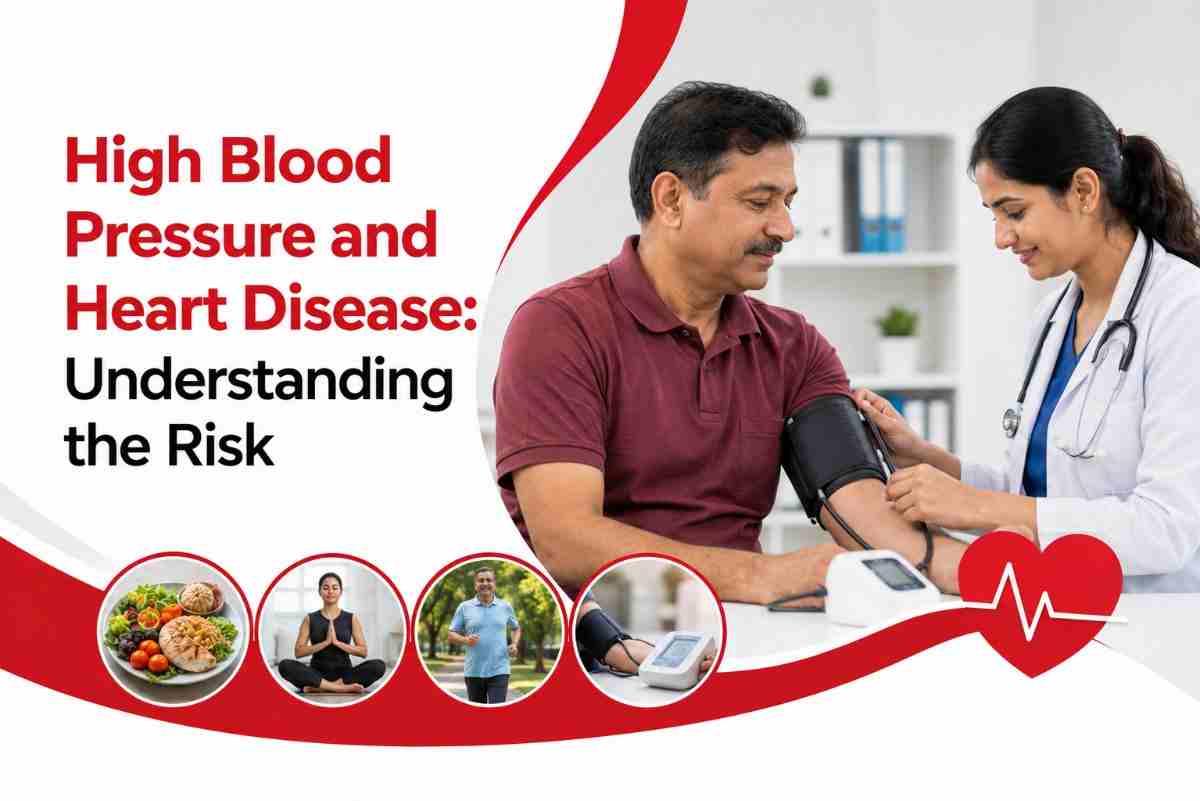
What Is High Blood Pressure?
Blood pressure refers to the force of blood pushing against the walls of your arteries as your heart pumps. High blood pressure, or hypertension, occurs when this force is consistently elevated above healthy levels.
Featured Snippet Answer — What is considered high blood pressure? Blood pressure is generally considered high when readings consistently reach or exceed 140/90 mmHg, though your doctor may use different thresholds depending on your individual health profile and risk factors.
Blood pressure is recorded as two numbers: systolic (the pressure when your heart beats) over diastolic (the pressure when your heart rests between beats). Both numbers matter, and consistently elevated readings — rather than a single high reading — are what typically define hypertension.
How Hypertension Damages the Heart
Featured Snippet Answer — How does hypertension damage the heart? High blood pressure forces the heart muscle to work harder to pump blood, which over time causes the heart wall to thicken, reduces its pumping efficiency, and accelerates damage to the coronary arteries — all of which increase the risk of heart attack and heart failure.
Several specific mechanisms explain this connection:
- Left ventricular hypertrophy – prolonged high pressure causes the heart’s main pumping chamber to thicken, which can eventually reduce pumping efficiency
- Accelerated atherosclerosis – high blood pressure damages the inner lining of arteries, making it easier for plaque to build up and narrow the coronary arteries
- Increased risk of heart attack – narrowed, damaged arteries are more prone to blockages
- Heart failure risk – over time, the heart may struggle to keep up with the added workload, leading to reduced pumping capacity
- Arrhythmia risk – structural changes in the heart from long-standing hypertension can increase the likelihood of abnormal heart rhythms
This is a gradual process, often unfolding over years or even decades — which is precisely why early, consistent management matters so much.
Symptoms of Hypertension-Related Heart Problems
High blood pressure itself is typically symptomless, which is part of what makes it dangerous. However, once it begins to affect the heart, certain symptoms may emerge:
- Breathlessness, especially during exertion or when lying flat
- Chest discomfort or pressure
- Fatigue or reduced exercise tolerance
- Swelling in the legs or ankles
- Palpitations or irregular heartbeat sensations
- Dizziness, particularly with sudden position changes
Important: These symptoms typically appear only after hypertension has already caused some degree of cardiac strain — which is why routine blood pressure checks, rather than waiting for symptoms, are the primary way this condition is caught early.
Risk Factors for High Blood Pressure and Heart Disease
Some risk factors for hypertension-related heart disease can be modified, while others cannot:
Modifiable risk factors:
- High salt intake
- Obesity
- Sedentary lifestyle
- Smoking
- Excessive alcohol consumption
- Chronic stress
- Poor sleep quality, including untreated sleep apnea
Non-modifiable risk factors:
- Age (blood pressure tends to rise with age)
- Family history of hypertension or heart disease
- Certain ethnic and genetic predispositions
Compounding conditions:
- Diabetes
- High cholesterol
- Kidney disease
When hypertension coexists with these other factors, the combined high BP heart attack risk rises substantially — which is why comprehensive risk assessment, rather than looking at blood pressure alone, gives the clearest picture.
How Is Hypertension-Related Heart Disease Diagnosed?
Diagnosing hypertension itself is straightforward — regular blood pressure measurement, ideally on multiple occasions, confirms the diagnosis. Assessing whether it has affected the heart involves additional evaluation:
- Blood pressure monitoring – repeated readings, sometimes including home or ambulatory monitoring, to confirm consistent elevation
- ECG – can reveal signs of heart strain or thickening
- Echocardiogram – assesses heart muscle thickness and pumping function directly
- Blood tests – check kidney function, cholesterol, and blood sugar, since these often interact with blood pressure control
- Additional cardiac testing – such as stress testing or angiography, if coronary artery disease is suspected
A cardiologist’s evaluation helps determine not just whether blood pressure is elevated, but whether — and how much — it has already begun to affect your heart’s structure and function.
Treatment Options
Management of hypertension-related heart disease typically combines several approaches, tailored to the individual’s specific findings.
Treatment Option | General Purpose | Typically Considered When |
Lifestyle modification | Lower blood pressure, reduce cardiac strain | Always, as first-line management |
Medications | Control blood pressure and reduce cardiac workload | Blood pressure not controlled by lifestyle alone |
EECP | Improve blood flow non-surgically | Persistent angina from related coronary artery disease |
Angioplasty | Open blocked coronary arteries | Significant blockage from hypertension-related atherosclerosis |
Bypass surgery | Reroute blood flow surgically | Complex multi-vessel coronary artery disease |
Cardiac rehabilitation | Structured recovery and long-term risk reduction | After a cardiac event related to hypertension |
Lifestyle Modifications
Reducing salt intake, maintaining a healthy weight, regular physical activity, and stress management form the foundation of blood pressure control for most patients.
Medications
Several categories of blood pressure medication exist, each working through different mechanisms; the right choice, dosage, and combination depend on individual factors like age, kidney function, and other health conditions, determined by your treating doctor.
EECP (Enhanced External Counterpulsation)
For patients who develop coronary artery disease as a consequence of long-standing hypertension, and who continue to experience angina despite optimal medical therapy, EECP may be a reasonable non-surgical option to discuss. It works alongside blood pressure management rather than replacing it, and suitability depends on individual cardiac evaluation.
Angioplasty and Bypass Surgery
When hypertension has contributed to significant coronary artery blockages, procedures like angioplasty or bypass surgery may be recommended, depending on the extent and pattern of disease, to restore adequate blood flow to the heart muscle.
Cardiac Rehabilitation
A structured, supervised program that supports recovery after a hypertension-related cardiac event, combining exercise, education, and ongoing blood pressure monitoring.
No single treatment here is universally superior. The right approach depends on how well blood pressure is currently controlled, whether the heart has already been affected, and the presence of any related coronary artery disease — all of which require a cardiologist’s assessment.
When Might EECP Be Considered?
EECP may be worth discussing with your cardiologist if you:
- Have developed coronary artery disease related to long-standing hypertension
- Continue to experience angina despite optimal blood pressure control and medical therapy
- Are not an ideal candidate for angioplasty or bypass surgery due to other health factors
- Are interested in a non-invasive option to potentially support circulation alongside your current treatment
EECP is not appropriate for every patient, and certain cardiac or health conditions can make it unsuitable. A cardiologist can determine candidacy only after a comprehensive evaluation of your blood pressure history, cardiac function, and overall health.
Benefits of Early Medical Evaluation
Given how silent hypertension often is, early and regular evaluation carries particular importance:
- Catching elevated blood pressure before it causes lasting cardiac changes
- Allowing timely lifestyle and medication adjustments
- Identifying early signs of heart strain through routine testing, before symptoms develop
- Reducing the cumulative, long-term cardiovascular impact of unmanaged hypertension
Because high blood pressure typically causes no symptoms until damage has already occurred, routine monitoring — rather than waiting to feel unwell — is the most effective form of early evaluation available.
Managing Hypertension for Heart Health: Lifestyle Tips
- Monitor your blood pressure regularly – whether at home or during routine check-ups, consistent tracking helps catch changes early
- Reduce salt intake – one of the most impactful dietary changes for blood pressure control
- Maintain a healthy weight – even modest weight loss can meaningfully lower blood pressure in many individuals
- Stay physically active – regular, moderate exercise supports healthy blood pressure levels
- Limit alcohol consumption – excessive intake is directly linked to elevated blood pressure
- Manage stress – chronic stress can contribute to sustained blood pressure elevation
- Take medications consistently – as prescribed, without skipping doses even when blood pressure seems well-controlled
- Prioritise good sleep – including evaluation for sleep apnea if snoring or interrupted sleep is a concern, as this is closely linked to hypertension
Frequently Asked Questions
1. How does hypertension damage the heart?
High blood pressure forces the heart to work harder over time, leading to thickening of the heart muscle, accelerated artery damage, and increased risk of heart attack and heart failure.
2. What is considered dangerously high blood pressure?
Readings consistently at or above 140/90 mmHg are generally considered high, though your doctor may use different individual thresholds; a reading significantly higher than this, especially with symptoms, warrants urgent evaluation.
3. Can high blood pressure cause a heart attack without warning?
Yes, because hypertension often causes no symptoms, it can silently contribute to coronary artery disease that may eventually result in a heart attack, which is why regular monitoring matters more than waiting for symptoms.
4. Is high blood pressure reversible?
In many cases, blood pressure can be brought under control through lifestyle changes and medication, though some degree of pre-existing heart or artery changes may not be fully reversible; managing it well can significantly reduce further risk.
5. What lifestyle changes help manage hypertension for heart health?
Reducing salt intake, maintaining a healthy weight, regular exercise, limiting alcohol, managing stress, and consistent medication use (if prescribed) are all key components of effective management.
When Should You Consult a Cardiologist?
Consider scheduling a cardiology consultation if you have:
- Consistently elevated blood pressure readings, even without symptoms
- New symptoms like breathlessness, chest discomfort, fatigue, or leg swelling alongside known hypertension
- Difficulty achieving blood pressure control despite lifestyle changes and medication
- A family history of hypertension-related heart disease and no recent cardiac evaluation
Seek emergency medical care immediately if you experience a sudden, severely elevated blood pressure reading accompanied by severe headache, chest pain, vision changes, breathlessness, or confusion — this combination can indicate a hypertensive emergency requiring urgent attention.
Why Choose KGK Hospital?
KGK Hospital, located on Poonamallee High Road in Arumbakkam, Chennai, is a specialised cardiac care center focused on the evaluation and non-surgical management of hypertension-related heart disease and other cardiac conditions.
The hospital’s approach includes:
- A dedicated focus on non-surgical heart care, including EECP therapy for eligible patients with hypertension-related coronary artery disease
- Individualised cardiology assessment led by Dr. Krishnaraja, with careful evaluation of how blood pressure may be affecting each patient’s heart health
- A patient-first consultation approach, taking time to explain blood pressure readings and their cardiovascular significance in clear, understandable terms
- Accessibility for patients from Anna Nagar, Koyambedu, Mogappair, Vadapalani, Nungambakkam, and across Chennai seeking heart care for hypertension-related concerns
- Evaluation-based treatment planning, ensuring recommendations are based on each patient’s specific cardiac findings rather than a one-size-fits-all approach
KGK Hospital’s approach recognises that managing hypertension well is one of the most impactful things a patient can do for long-term heart health, and that meaningful management starts with a clear, individualised understanding of one’s own risk.
Conclusion
High blood pressure may not announce itself with obvious symptoms, but its long-term impact on the heart is well-documented and, importantly, manageable. Understanding how hypertension affects the heart — and taking consistent steps toward control — is one of the most effective forms of long-term heart disease prevention available to most people.
If you have high blood pressure, or aren’t sure how well it’s currently being managed, consider speaking with a cardiologist about your individual cardiovascular risk. A clear picture of where you stand today is the best foundation for protecting your heart health going forward.

About Author
At placerat eleifend nulla inceptos per dolor lacinia posuere. Rhoncus sociosqu dolor pharetra torquent interdum curabitur erat pellentesque.
Share Post :
Recent Posts
-
 Exercise After a Heart Diagnosis: What Is Safe and What Isn't
 -
 Heart-Healthy Diet Tips for Preventing Coronary Artery Disease
 -
 Cholesterol and Heart Health: What Your Numbers Really Mean
 -
 High Blood Pressure and Heart Disease: Understanding the Risk
 -
 Diabetes and Heart Disease: Why Early Prevention Matters
Categories
- What is EECP? (Educational)
- EECP vs Surgery (Comparison)
- Heart Health Tips Diabetes & Heart Care
- Patient Stories
- EECP in Tamil (தமிழில் EECP)
- Doctor Articles & Expert Advice
Subscribe Newsletter
Signup our newsletter to get update information, news, insight or promotions.
