
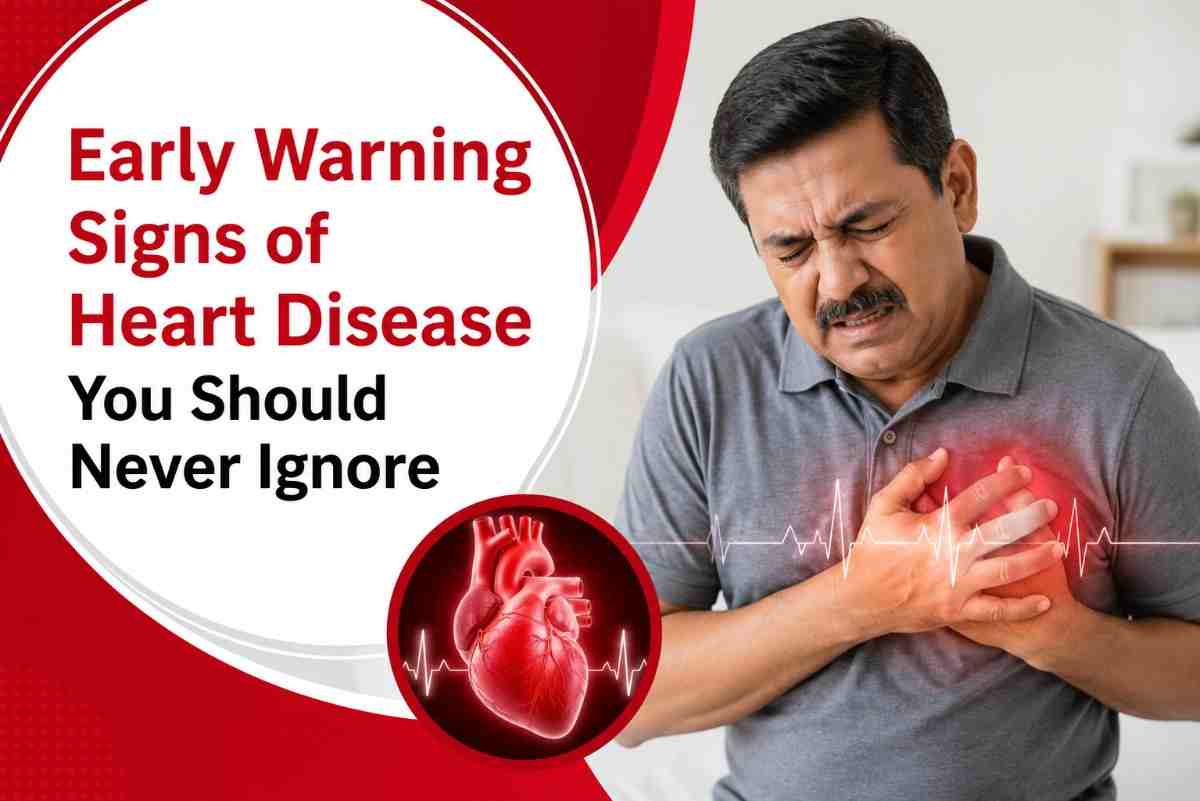
Early Warning Signs of Heart Disease You Should Never Ignore
Why Early Signs of Heart Disease Are So Easy to Miss
Most people imagine heart disease announcing itself clearly — sudden, crushing chest pain that sends you straight to the hospital. In reality, that dramatic picture applies mainly to a heart attack in progress, not to the years of underlying disease that often lead up to it. Early heart disease tends to whisper rather than shout, and its symptoms are often vague enough to be waved away as tiredness, stress, indigestion, or simply getting older.
This matters because the earlier heart disease is identified, the more options are available to manage it — often without ever needing surgery. This article walks through the early warning signs worth paying attention to, why they’re so often dismissed, and when it’s genuinely time to see a cardiologist rather than wait it out.
What Is Heart Disease?
“Heart disease” is a broad term that most often refers to coronary artery disease (CAD) — the narrowing of the arteries supplying blood to the heart muscle, usually due to plaque buildup (atherosclerosis). It can also refer to related conditions such as heart failure, arrhythmias, or valve disease, though CAD is the most common underlying cause of the symptoms discussed in this article.
As coronary arteries narrow, the heart muscle receives less oxygen-rich blood, particularly during exertion when demand is higher. This mismatch between oxygen supply and demand is what produces many of the early symptoms patients notice — often well before a blockage becomes severe enough to cause a heart attack.
Causes of Heart Disease
Heart disease typically develops due to:
- Atherosclerosis — the gradual buildup of cholesterol, fat, and other substances along artery walls
- Chronic high blood pressure — which damages artery walls and accelerates plaque formation over time
- Elevated blood sugar (diabetes) — a major contributor to vascular damage, often with fewer warning symptoms
- Smoking and tobacco use — a direct and significant driver of artery damage
- Chronic inflammation and unmanaged stress — increasingly recognized as contributing factors in plaque development
Early Warning Signs and Symptoms
Some of the earliest and most important signs of heart disease include:
- Unusual fatigue — feeling unusually tired during activities that were previously easy, especially if this is a new pattern
- Breathlessness with exertion — shortness of breath during activities like climbing stairs or walking briskly, particularly if it’s new or worsening
- Chest discomfort or pressure — not always sharp pain; often described as tightness, heaviness, or a squeezing sensation
- Discomfort radiating outward — pain or discomfort spreading to the arm (often the left), shoulder, jaw, neck, or back
- Lightheadedness or dizziness, particularly with exertion
- Irregular heartbeat sensations — a fluttering, racing, or skipped-beat feeling, especially if new or persistent
- Swelling in the legs, ankles, or feet, which can indicate the heart isn’t pumping as efficiently as it should
None of these symptoms alone confirms heart disease, but any of them — particularly if new, persistent, or occurring with exertion — deserves proper evaluation rather than being dismissed.
Symptoms That Are Easy to Mistake for Something Else
Part of why early heart disease is under-recognized is that its symptoms overlap heavily with everyday, non-cardiac complaints:
- Fatigue is often blamed on poor sleep, stress, or a busy schedule
- Breathlessness is often attributed to being “out of shape” or simply middle age
- Chest discomfort is frequently mistaken for indigestion, acid reflux, or muscle strain
- Jaw or back discomfort is often assumed to be dental or musculoskeletal in origin
This overlap is exactly why context matters: symptoms that occur predictably during physical exertion and ease with rest are more likely to be cardiac in origin than symptoms that occur randomly or only after eating a specific food. When in doubt, particularly if you have risk factors for heart disease, it’s worth having these symptoms evaluated rather than assuming the more benign explanation.
Risk Factors That Raise Your Suspicion Level
The same symptom can mean different things depending on your background risk. You should take subtle symptoms more seriously if you have:
- High blood pressure or high cholesterol
- Diabetes or prediabetes
- A history of smoking or tobacco use
- A family history of heart disease, particularly at a younger age
- Obesity or a sedentary lifestyle
- Advancing age
- Chronic stress or poor sleep quality
- A personal history of a prior cardiac event or procedure
Patients with diabetes deserve a particular note here: diabetes can damage the nerves involved in pain sensation, which sometimes leads to “silent” heart disease — reduced or absent chest pain even in the presence of significant blockages. This makes routine cardiac screening especially important for diabetic patients, rather than waiting for classic symptoms to appear.
How Heart Disease Is Diagnosed
If your symptoms or risk factors raise concern, a cardiologist may recommend some combination of:
- Clinical history and physical examination — reviewing your symptoms, triggers, and risk factors in detail
- ECG — assessing the heart’s electrical activity
- Stress testing — evaluating how your heart performs under physical exertion
- Echocardiogram — imaging the heart’s structure and function
- Blood tests — checking cholesterol, blood sugar, and relevant cardiac markers
- Coronary angiography — direct imaging of the coronary arteries when more detailed evaluation is needed
Self-diagnosis based on symptoms alone is not reliable in either direction — some serious blockages produce mild symptoms, while some benign conditions produce alarming ones. Proper testing is what allows an accurate diagnosis.
Treatment Options Once Heart Disease Is Identified
If heart disease is confirmed, treatment is tailored to its severity and pattern, and may include:
- Lifestyle modification — diet, physical activity, smoking cessation, and weight management, relevant at every stage
- Medications — such as statins, antiplatelet drugs, beta-blockers, and blood pressure medication, often the first line of treatment
- EECP — a non-invasive therapy considered for chronic stable angina, particularly when symptoms persist despite medication
- Angioplasty with stenting — used for specific, significant blockages identified on angiography
- Bypass surgery — reserved for more extensive or complex blockages
- Cardiac rehabilitation — a structured, supervised program often recommended after a cardiac event or procedure
The earlier heart disease is caught, the more likely it is that the full range of these options — including the least invasive ones — remains genuinely available to you.
When Might EECP Be Considered?
EECP, or Enhanced External Counterpulsation, is a non-invasive, FDA-approved therapy in which cuffs around the calves, lower thighs, and upper thighs inflate and deflate in sequence with the heartbeat, improving blood flow to the heart and encouraging the development of small collateral vessels around narrowed arteries over the course of treatment.
A cardiologist may discuss EECP as an option for:
- Chronic stable angina persisting despite optimal medication
- Patients who are not ideal candidates for angioplasty or bypass surgery
- Patients who continue to experience angina after previous stenting or bypass
- Select cases of heart failure with reduced ejection fraction, as part of a broader plan
Whether EECP is appropriate for you depends entirely on evaluation by a cardiologist, based on your specific diagnosis and health status — it is not a treatment decided from symptoms alone.
Benefits of Early Medical Evaluation
Catching heart disease early doesn’t just mean catching it “before it’s serious” in an abstract sense — it has real, practical benefits. Patients diagnosed early, while disease is still mild to moderate, often have access to a wider range of treatment options, including lifestyle changes, medication, and non-invasive therapies like EECP, rather than needing more urgent or invasive intervention.
Early evaluation also removes the uncertainty of wondering whether a symptom “means something.” Getting a clear answer — even if that answer is reassuring — is almost always better than living with unresolved worry or, worse, dismissing a genuine warning sign.
Lifestyle Tips for Better Heart Health
Regardless of whether you currently have symptoms, these habits support long-term cardiovascular health:
- Follow a heart-healthy diet — emphasizing vegetables, whole grains, and lean protein, while limiting saturated fat, added sugar, and excess salt
- Stay physically active, aiming for regular movement appropriate to your fitness level and any existing conditions
- Quit smoking and avoid tobacco in all forms, since it directly accelerates artery damage
- Monitor and manage blood pressure, cholesterol, and blood sugar, especially if you have risk factors
- Prioritize sleep and manage stress, both of which influence blood pressure and cardiovascular risk
- Know your family history, and share it with your doctor so your risk can be assessed accurately
- Don’t dismiss persistent or exertion-related symptoms — track when they occur and mention them at your next appointment, or sooner if they’re concerning
Frequently Asked Questions
What is the earliest sign of heart disease?
There isn’t a single universal first sign, but unusual fatigue and breathlessness during everyday activity are among the earliest and most commonly reported symptoms, often appearing before chest pain does.
Can heart disease exist without any chest pain?
Yes. Some patients, particularly those with diabetes, experience “silent” heart disease with little or no chest pain despite significant underlying blockages, which is why regular screening matters for at-risk individuals.
How do I know if my fatigue is heart-related or just stress?
Fatigue that occurs predictably with physical exertion, or that’s new and doesn’t improve with rest, deserves evaluation — particularly if you have other risk factors for heart disease.
Is jaw or back pain really a sign of heart trouble?
It can be, especially when it occurs alongside exertion or other symptoms like breathlessness or chest pressure. Isolated jaw or back pain unrelated to activity is more often musculoskeletal or dental, but it’s worth having evaluated if you’re unsure.
Should I be worried about occasional heart palpitations?
Occasional, brief palpitations are common and often benign, but new, frequent, or prolonged palpitations — especially with dizziness or chest discomfort — should be evaluated by a doctor.
When Should You Consult a Cardiologist?
Consider scheduling a cardiology evaluation if you notice:
- New or worsening fatigue, particularly with exertion
- Breathlessness during activities that didn’t previously cause it
- Chest discomfort, tightness, or pressure, even if mild or infrequent
- Discomfort radiating to the arm, jaw, neck, or back
- Irregular heartbeat sensations that are new or persistent
- Swelling in the legs, ankles, or feet without a clear cause
- Known risk factors such as diabetes, high blood pressure, or a family history of heart disease, even without symptoms
If you experience sudden, severe chest pain, chest pain with sweating or nausea, pain spreading to the arm or jaw, or sudden severe breathlessness, this may be a medical emergency. Seek immediate emergency medical care rather than waiting for a scheduled appointment.
Why Choose KGK Hospital
KGK Hospital in Arumbakkam, Chennai, focuses specifically on EECP therapy and non-invasive cardiac care, under the guidance of Dr. K G Krishnaraja. Because the hospital’s clinical focus is centered on cardiac evaluation and non-surgical heart care, the team is well positioned to assess subtle or early symptoms carefully, rather than treating symptom evaluation as a brief formality before recommending a procedure.
Every patient’s evaluation at KGK Hospital begins with a thorough review of symptoms, risk factors, and medical history, so that any recommendation — whether reassurance, further testing, lifestyle guidance, or treatment such as EECP — is based on that individual’s actual clinical picture. The hospital is located on Poonamallee High Road, Arumbakkam, accessible from Anna Nagar and surrounding parts of Chennai, making it a practical option for patients in the area seeking a cardiac evaluation.
Conclusion
Heart disease rarely begins with a dramatic warning — far more often, it starts quietly, with fatigue that feels a little off, breathlessness that wasn’t there before, or chest discomfort that’s easy to explain away. Recognizing these early signs, rather than dismissing them, is what allows heart disease to be caught while the widest range of treatment options — lifestyle changes, medication, and non-invasive therapies like EECP — is still available.
If you’ve noticed any of these warning signs in yourself or a loved one, the safest next step is a proper evaluation, not a guess based on symptoms alone. Consider speaking with a cardiologist at KGK Hospital, Arumbakkam, Chennai, to have your symptoms assessed and understand what they mean for your heart health.

About Author
At placerat eleifend nulla inceptos per dolor lacinia posuere. Rhoncus sociosqu dolor pharetra torquent interdum curabitur erat pellentesque.
Share Post :

Categories
- What is EECP? (Educational)
- EECP vs Surgery (Comparison)
- Heart Health Tips Diabetes & Heart Care
- Patient Stories
- EECP in Tamil (தமிழில் EECP)
- Doctor Articles & Expert Advice
Subscribe Newsletter
Signup our newsletter to get update information, news, insight or promotions.
